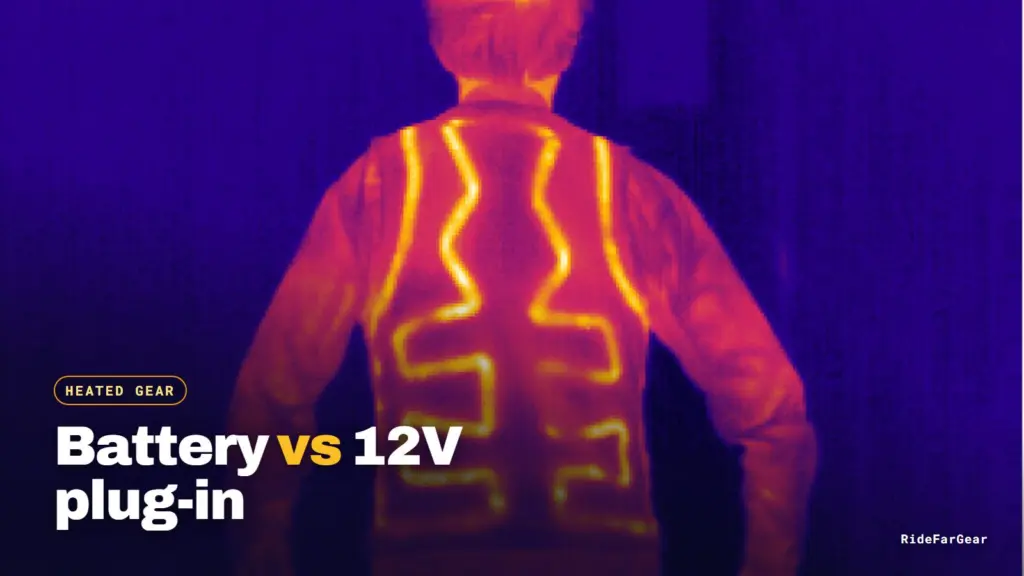
OPTION 1
12V plug-in
- Runs as long as the engine does
- The most heat, enough for a full jacket
- One controller for the whole setup
The cost: wiring to the battery, a cable to plug in, and your bike has to have the power to spare.
OPTION 2
Battery powered
- Nothing to wire, works on any bike
- Warm off the bike too, at camp or on a hike
- Easy for a passenger
The cost: a few hours on high, then you need a fresh battery.
For touring, 12V plug-in gear is usually the better choice, as long as your bike can power it. Battery gear wins when it cannot, or when you want the heat off the bike as well.
So the real question is how much power your bike has to spare. On a mid-size adventure bike, the answer is less than most riders expect.
one heated jacket liner
Gerbing’s 12V liner, at 6.4 A on full heat.
usable on a sub-600cc ADV
RevZilla’s typical figure, after the bike’s own needs.
of that is the safe ceiling
Which leaves about 105 W for heated gear.
Key takeaways
- 12V gear runs all day, but only within what your charging system can spare.
- A jacket liner plus gloves uses up the whole budget of a typical sub-600cc adventure bike.
- A heat controller is what makes it fit. Riders usually run well below full power once warm.
- Battery gear lasts roughly 2 to 8 hours, depending on the heat setting.
- Battery gear is the safe pick for small or old bikes, passengers and use off the bike.
- A voltmeter tells you the truth. In the low 12s while riding, your battery is draining.
In this guide
Your bike’s power budget
Your bike’s charging system makes a fixed amount of power. The bike spends part of it on itself: fuel injection, ignition, lights, ABS. What is left over is all your heated gear can use.
RevZilla’s rule of thumb is that a bike needs about a third of its output just to run. Of what remains, it suggests using no more than 70%, so the battery keeps charging.
How the power splits on a sub-600cc adventure bike
Typical figures from RevZilla. Your own bike’s manual or dealer has the real number
About 75 W runs the bike itself
105 W is 70% of the 150 W usable
45 W stays spare so the battery charges
Now set that against the gear. RevZilla puts a heated jacket at 75 to 85 W and gloves at 20 to 30 W. Together they land right on that 105 W ceiling, before you add heated grips or anything else.
| Heated item | Typical draw |
|---|---|
| Jacket or jacket liner | 75 to 85 W |
| Vest | 50 to 60 W |
| Pants | 40 to 80 W |
| Gloves | 20 to 30 W |
| Socks or insoles | 20 to 30 W |
| Heated grips | 30 to 50 W |
Those are full-power numbers. Eagle Leather notes most riders run heated gear at 30 to 60% once they are warm, and a controller is what lets you do that. Next, what real bikes make, then a calculator for your own setup.
What real bikes make: official alternator figures
Most makers never publish their charging output. BMW Motorrad does, on every GS data sheet, which makes its range a useful yardstick for the whole adventure class.
Rated alternator output, BMW GS range
Nominal power from BMW Motorrad’s official technical data, in watts
The F 900 GS Adventure shares the F 900 GS figure, and the R 1300 GS Adventure the R 1300 GS one. The biggest GS makes almost twice the power of the smallest. Checked on BMW Motorrad UK, October 2026.
Rated output is not spare power. Apply RevZilla’s rule from above, a third for the bike and 70% of the rest, and you get a rough heated gear budget of about 47% of the rated figure.
| Bike | Rated output | Rough heated gear budget | Jacket + gloves (105 W) | Full suit (190 W) |
|---|---|---|---|---|
| F 450 GS | 334 W | about 155 W | Fits | Only with a controller |
| F 900 GS | 416 W | about 195 W | Fits | Right at the limit |
| F 800 GS | 420 W | about 195 W | Fits | Right at the limit |
| R 1300 GS | 650 W | about 305 W | Fits easily | Fits, with room for grips |
The takeaway: a jacket and gloves fit on any modern mid-size adventure bike. A full heated suit on full power is where smaller bikes run out. If your manual lists a rated output, enter two thirds of it as your usable watts in the calculator.
Heated gear power calculator
Will your bike run it?
Pick your bike type, or enter the usable watts from your manual or dealer. Then tick what you plan to wear. Change any wattage to match your own gear’s label.
STEP 1 · YOUR BIKE
STEP 2 · WHAT YOU WILL RUN
Bike figures are RevZilla’s typical usable watts, which are approximations. Amps are calculated at 12 V. This is a planning estimate, not a test of your charging system.
If the calculator says no, you still have options. Turn the heat down, drop an item, or move the gloves to battery power. Mixing the two systems is common and works well.
How 12V plug-in gear works
A fused harness runs from your battery to a connector you can reach from the seat. You plug the garment in, and a controller sets how hot it runs.
Gerbing, for example, states that all its 12V installations need a battery harness and a temperature controller, both sold separately. Budget for both when you compare prices.
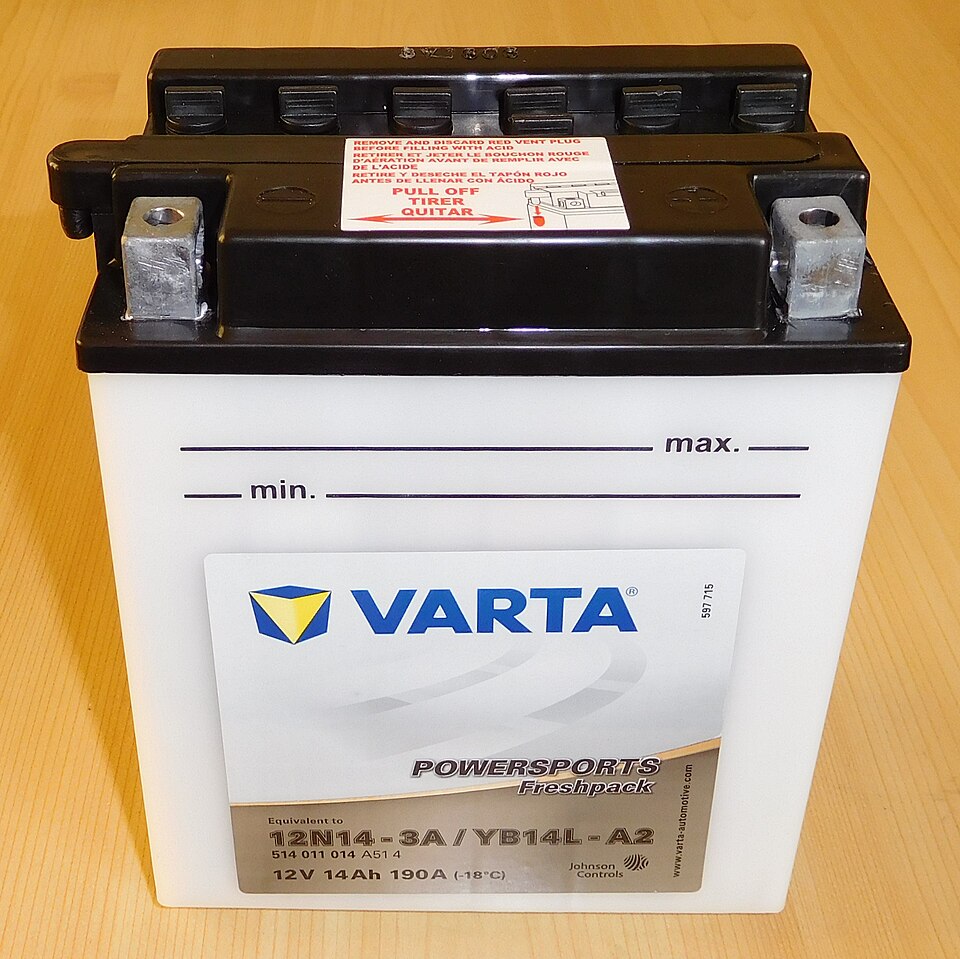
Harness. Connects to the battery terminals through a fuse. This is the only part you install on the bike.
Controller. Sets the heat level. A dual controller lets you set two zones separately, such as jacket and gloves.
Garments. The jacket liner is usually the hub. Gloves and pants plug into it, so one cable leaves your body.
The big advantage is endurance. As long as the engine runs and the budget adds up, the heat never runs out, which is exactly what a long day in the cold needs.
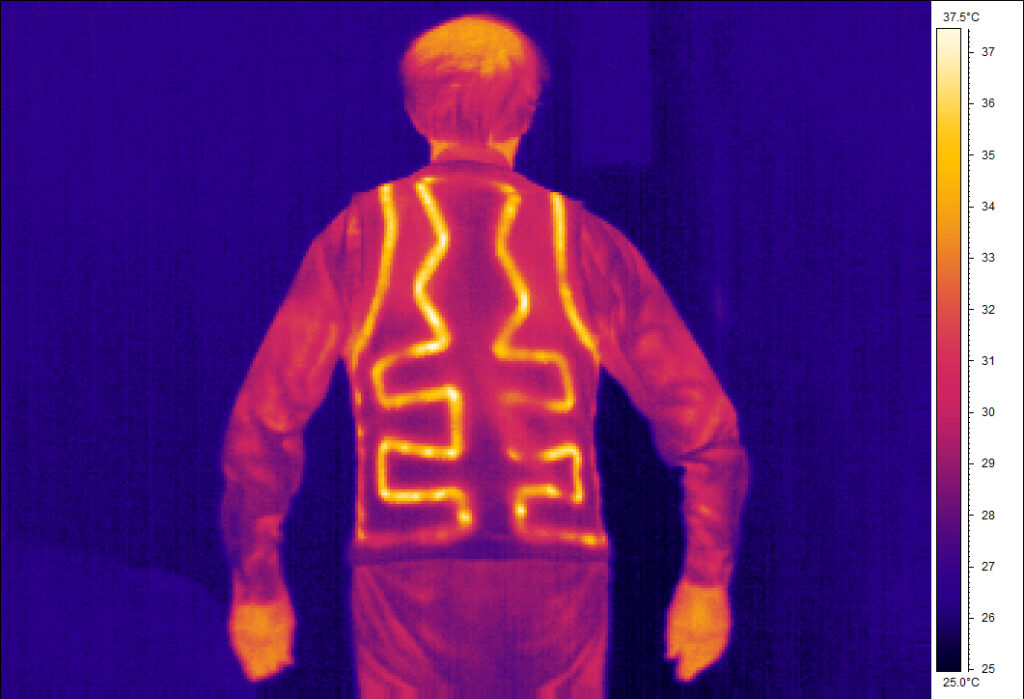
Gerbing’s two-minute video shows how the harness, controller and garments connect on a real bike.
Remember to unplug
You are tethered to the bike. Use the quick-release connector on the cable, so you can step off at a fuel stop without tugging the harness out of the bike.
How battery gear works
Each garment carries its own rechargeable lithium-ion pack, typically 7.4 V in gloves. There is nothing to install, and the bike’s electrics are never involved.
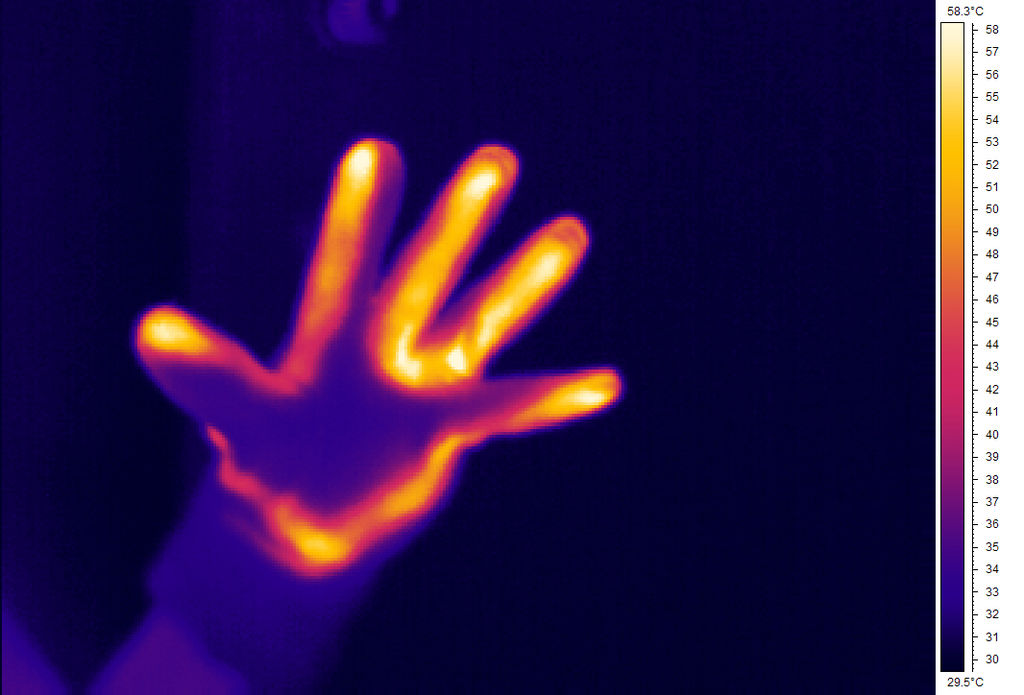
The limit is runtime. RevZilla puts a typical pack at 2 to 8 hours, and the heat setting decides where you land. Two published glove examples show the spread.
Heated glove battery life, high vs low
Manufacturer figures, in hours. Bars scaled to an 8-hour day
Tour Master Synergy 7.4V gloves with two 2.0 Ah packs, and Capit WarmMe gloves with a 3,000 mAh pack, as listed by retailers. On high, neither covers a full touring day.
That is why RevZilla suggests carrying a spare charged pack on long cold rides. On a multi-day trip, you also need a way to recharge every night, so plan the charging along with the route.
The upside is freedom. The same gloves keep you warm at a frosty campsite, and they work on any bike you ride, including one with almost no spare power.
Which one fits your riding
| Your situation | Better choice | Why |
|---|---|---|
| Long cold days on a bike with spare power | 12V | Heat that lasts as long as the ride |
| Small, old or dual-sport bike | Battery | Little or no power to spare |
| Only your hands get cold | Either | Gloves are the cheapest to run either way |
| Riding with a passenger | Battery, for them | No second harness, and no extra load on the bike |
| Moto camping in the cold | Battery, or a mix | Heat at camp as well as on the road |
| You ride several bikes | Battery | Nothing to install on each one |
Many riders end up with a mix: a 12V jacket liner for the core, and battery gloves they can also wear at camp. Some products, such as Venture Heat’s hybrid vest, run on either power source.
For a broader look at the options, RevZilla’s guide walks through the main types of heated gear and how riders combine them.
Before spending on any of it, make sure the basics are right. A good layering system and heated grips solve a lot, and heat works best under a windproof outer layer.
Check it with a voltmeter
The calculator is an estimate. A cheap voltmeter on the bars tells you what is actually happening while you ride with everything switched on.
13.5 to 14.5 V
Healthy. The charging system is keeping up with your gear.
Low 12s
Battery draining. Turn the heat down or switch something off.
Check it at cruising speed and again at idle. Output drops when the engine is barely turning, so a long wait in traffic is where an overloaded system shows itself.
Before your first heated ride
Where the numbers come from
Wattage per item, usable watts by bike type and the 70% rule come from RevZilla’s heated gear buying guide. Voltmeter ranges and the 30 to 60% figure come from Eagle Leather. Gerbing’s liner figures are from its product listing. Alternator outputs are BMW Motorrad’s official nominal ratings; the heated gear budgets built from them are our own estimate.
Battery runtimes are manufacturer figures as published by retailers, not our own tests. Honda does not publish the charging output of the NX500 in its spec sheets, so we do not quote one. Checked in October 2026.
Heated gear, answered
Is battery or 12V heated motorcycle gear better?
For long touring days, 12V plug-in gear is usually better because it runs as long as the engine does and gives the most heat. Battery gear is better for small or older bikes with little spare power, for passengers, and for staying warm off the bike.
How many watts does a motorcycle alternator produce?
It varies by bike, and most makers do not publish it. BMW rates its F 450 GS at 334 W, F 800 GS at 420 W, F 900 GS at 416 W and R 1300 GS at 650 W. Only part of that is spare: budget roughly 47% of the rated figure for heated gear.
Will heated gear drain my motorcycle battery?
Not if the total draw stays within what your charging system can spare. RevZilla suggests using no more than 70% of your bike’s usable watts. A voltmeter reading of 13.5 to 14.5 V while riding is healthy, while a reading in the low 12s means the battery is draining.
How many watts does heated motorcycle gear use?
RevZilla’s averages are 75 to 85 W for a jacket, 50 to 60 W for a vest, 40 to 80 W for pants, 20 to 30 W for gloves, 20 to 30 W for socks and 30 to 50 W for heated grips. Gerbing’s 12V jacket liner is rated at 77 W and 6.4 A. Check your own product’s label.
Can a 500cc motorcycle run a heated jacket?
Usually yes, with a controller. RevZilla puts a sub-600cc adventure bike at about 150 usable watts, which leaves about 105 W at its 70% limit. A jacket and gloves on full heat land right at that limit, so running them below full power keeps you safely inside it.
How long do battery heated gloves last?
Typically 2 to 8 hours, depending on the heat setting. Tour Master lists 2.2 hours on high and 8 hours on low for its Synergy 7.4V gloves, and Capit lists about 3.5 hours on high and 7.5 hours on low for its WarmMe gloves.
Is heated motorcycle gear safe in the rain?
Modern heated gear is designed for wet weather, with insulated, protected wiring. It is not waterproof clothing, though. Wear a waterproof outer layer over it, both to stay dry and because wet clothing loses heat quickly.
Staying warm on the bike
- How cold is too cold to ride a motorcycle?
- How heated grips work and when they are worth it
- How to keep your hands warm on a motorcycle
- How to layer riding gear for cold-weather touring
- How to stay warm motorcycle camping in the cold
Alternator ratings from BMW Motorrad technical data; videos by Gerbing and RevZilla; thermal and battery photos via Wikimedia Commons. Wattage and usable power from RevZilla’s heated gear buying guide; voltage ranges from Eagle Leather; product figures as published by Gerbing, Tour Master, Capit and Venture Heat. Always follow your gear’s manual and check your bike’s charging output.